 Forms





News and Updates
All-season tires vs. winter tires: What you need to know
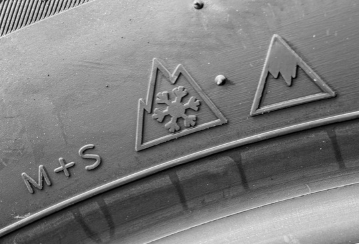
When winter arrives in Ontario, drivers face a familiar question: Should I stick with all-season tires or switch to winter tires? While both types of tires are designed to help keep you moving safely, they perform very differently when temperatures drop. Understanding these differences can help you make informed decisions about winter driving safety and even uncover potential auto insurance savings.
Key takeaways
- All-season tires lose effectiveness when temperatures fall below 7°C.
- Winter tires remain flexible and provide better traction, braking, and handling in cold conditions.
- Look for the Three-Peak Mountain Snowflake symbol when purchasing winter tires.
- Ontario drivers may qualify for a winter tire insurance discount through their insurer.
- Winter tires are an important part of a comprehensive winter-driving safety strategy.
What are all-season tires?
All-season tires are designed to provide acceptable performance throughout the year in a variety of weather conditions. They offer a balance of traction, comfort, and durability for spring, summer, and fall driving. The advantage of all-season tires is convenience. Drivers don't need to swap them twice a year, and they generally perform well in mild weather. However, despite their name, all-season tires aren’t specifically engineered for harsh Canadian winters. According to Transport Canada, all-season tires begin to lose flexibility when temperatures fall below 7°C. As the rubber hardens, traction decreases, which can affect braking, cornering, and overall vehicle control on cold, snowy, or icy roads.
What are winter tires?
Winter tires are specifically designed for cold-weather driving. Their rubber compounds remain flexible in low temperatures, allowing them to maintain better contact with the road surface. In addition to a softer rubber compound, winter tires feature deeper tread patterns and thousands of small slits called sipes that help improve grip on snow, slush, and ice. This specialized design allows winter tires to provide better traction and shorter stopping distances than all-season tires in winter conditions. When shopping for winter tires, look for the Three-Peak Mountain Snowflake symbol on the sidewall. This symbol indicates the tire meets recognized winter performance standards.
Key differences between all-season and winter tires
The biggest difference between all-season and winter tires is how they perform in cold temperatures. All-season tires are versatile and work well during much of the year, but their performance declines as temperatures fall below 7°C. Winter tires, on the other hand, are designed specifically for cold weather and remain flexible in freezing conditions. This flexibility translates into several safety benefits:
- Improved traction on snow and ice.
- Shorter braking distances.
- Better handling in slush and winter storms.
- Enhanced control during sudden maneuvers.
Transport Canada recommends using winter tires on all four wheels when driving in cold, snowy, or icy conditions because they provide better traction than all-season tires. For Ontario drivers who regularly encounter snow-covered roads, freezing rain, and changing winter conditions, these advantages can make a significant difference.
Winter tires and auto insurance
Many drivers are surprised to learn that their choice of tires can affect their auto insurance premium. In Ontario, insurers offer winter tire discounts to eligible policyholders who install qualifying winter tires on their vehicles. The specific eligibility requirements vary by insurer, but many require a full set of four winter tires and proof that they are installed during the winter season. It's important to note that installing winter tires doesn’t change the coverage provided by your auto insurance policy. However, the improved safety performance associated with winter tires can help reduce the risk of certain winter-related collisions, which is one reason many insurers encourage their use.
If you're a current OTIP policyholder, contact us at 1-833-494-0090 to review your existing auto insurance policy. If you're not insured with OTIP and are shopping for auto insurance, call us at 1-888-892-4935 to get a quote and receive a $20 gift card of your choice!