 Forms
Forms 





News and Updates
4 common landscaping mistakes and how to avoid them
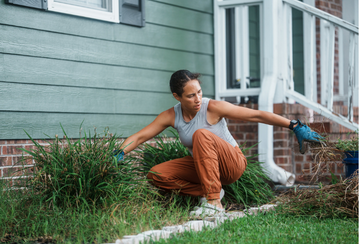
Transforming your outdoor space not only enhances your home’s curb appeal and increases its value, but also makes it more enjoyable year-round. However, without careful planning, landscaping projects can turn into costly mistakes or unexpected damage. Whether you’re refreshing your yard or starting from scratch, here are four common landscaping mistakes and how to avoid them.
Key takeaways
- Choose plants that will thrive in your local climate, soil, sunlight, and drainage conditions.
- Plan for long-term growth and maintenance to keep your yard beautiful and easy to care for year after year.
- Plant trees and shrubs far enough from your home to prevent costly damage from roots and overhanging branches.
- Prioritize proper drainage and water flow to avoid pooling, erosion, plant damage, and foundation problems.
- Skipping the research phase
It can be tempting to head straight to the garden centre and grab whatever plants catch your eye. But selecting plants based on looks alone, without understanding your yard’s unique conditions, is one of the most common and costly mistakes.
Plants that aren’t suited to your climate, soil, or sun exposure often struggle and fail to thrive. This can lead to repeated trips back to the store, wasted money, and a garden that never quite lives up to your vision. Factors such as soil type, humidity, rainfall, and temperature extremes can make or break your plant choices.
This is especially true for Ontario homeowners who face harsh winters, unpredictable springs, and humid summers; all of which put extra demand on their gardens. A plant that flourishes in one region may struggle in another.
How to avoid it:
- Choose plants that are proven to do well in your local climate and growing zone.
- Assess your yard’s soil, sun exposure, and drainage before making selections.
- Plan for year-round interest by mixing plants that shine in different seasons.
- Ask local garden centres or landscaping professionals for advice tailored to your area.
A little research now can help you build a lush, resilient landscape that turns heads every season.
- Not planning for the long term
A well-designed landscape doesn’t just look good today; it should continue to thrive for years ahead. Focusing on immediate results can cause overcrowded beds, more maintenance, and expensive redesigns later. Plants and trees are always growing, and if they’re placed too close together or not considered in their mature size, they can compete for nutrients, block sunlight, and become difficult to manage. What’s more, overlooking maintenance needs can turn a relaxing garden into an overwhelming chore. A yard that seemed easy at the start can soon demand more time and money than you expected.
How to avoid it:
- Start with a phased plan, prioritize foundation elements like trees and hardscaping before adding smaller plants.
- Space plants for their mature size, even if it looks sparse at first.
- Visualize your yard in 5, 10, or even 20 years to ensure your design stands the test of time.
- Be realistic about how much time and effort you can devote to upkeep, and plan accordingly.
If you have a busy schedule, opt for low-maintenance plants or simpler designs so your outdoor space stays a source of joy, not stress.
- Planting trees and shrubs too close to your home
Trees and shrubs bring beauty, shade, and privacy to your yard, but if placed too close to your home, they can create serious problems over time. As trees mature, their branches and roots spread far beyond their original footprint. Overhanging limbs can damage roofing or siding, while aggressive roots can crack foundations, buckle driveways, or disrupt underground utilities. In some cases, these problems can result in expensive repairs and major inconvenience that could have been avoided with proper placement.
How to avoid it:
- Research how large trees and shrubs will grow at maturity.
- Plant trees and shrubs at a safe distance from your home, driveway, and other structures, allowing for plenty of room for future growth.
- Inspect and prune branches regularly, especially those that could damage your roof, siding, or utility lines.
- Reevaluate your landscaping at the end of growing season, making adjustments as trees and shrubs mature.
Remember, in Ontario, winter storms and heavy snow can weigh down branches, increasing the risk of breakage and damage to your home if trees are planted too close.
- Overlooking drainage and water flow
Water management is an often-overlooked aspect of landscaping, yet it plays a critical role in protecting both your yard and your home. When drainage is poor, water can pool in low spots, erode soil, and drown plants. Over time, excess moisture can also affect your home’s foundation, potentially leading to costly repairs. In regions with heavy rainfall or snowmelt, like many parts of Ontario, poor water flow can become a significant issue during spring thaw or major storms.
How to avoid it:
- Ensure your yard slopes away from your home, channelling water safely outward.
- Keep garden beds and thick layers of mulch away from your foundation to reduce moisture buildup.
- Install proper grading, drainage solutions, or rain gardens in trouble areas to prevent water from pooling.
- Regularly check for spots where water collects and fix drainage problems before they escalate.
If your landscaping design is complex or your yard is large, it may be wise to install an in-ground drainage or weeping tile system as a long-term fix for potential water problems. Consult a trusted industry professional to explore the best drainage solutions for your property. By planning your landscape with water flow in mind, you’ll protect your investment and keep your yard healthy.
Creating a landscape that lasts
A thoughtful approach to landscaping can help you avoid unnecessary costs, protect your home, and create an outdoor space you’ll enjoy for years to come.
If you're an existing OTIP policyholder, contact us at 1-833-494-0090 to review your current home insurance policy and discuss enhancing your protection with additional optional coverage. If you're not insured with OTIP and are shopping for home insurance, call us at 1-888-892-4935 to get a quote and receive a $20 gift card of your choice!